
Case Study: Beyours.in
- Home
- Beyours.in
Executive Summary
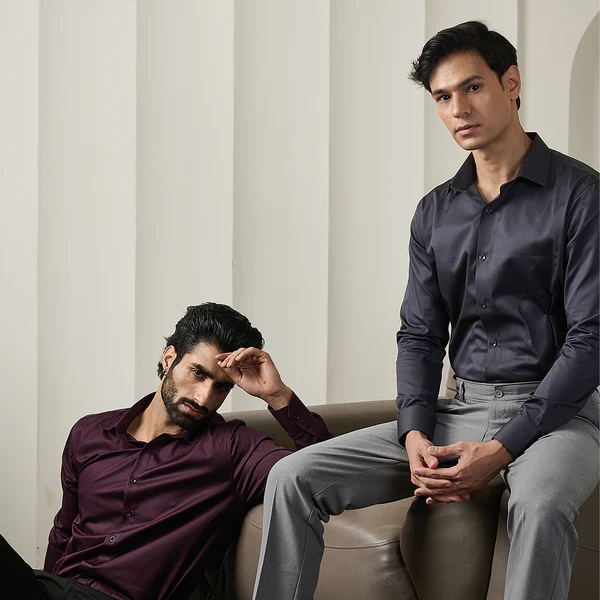
Client: Beyours – A minimalist men’s fashion brand from India.
Challenge: Enhancing brand visibility and customer engagement in a competitive online fashion market.
Solution: Implementation of a comprehensive digital marketing strategy encompassing SEO, content marketing, social media marketing, and performance analytics.
Results: Achieved a revenue growth from ₹15 lakh to ₹30-35 Lakh within a year, with a target of ₹1 Crore for the next fiscal year.
Client Background
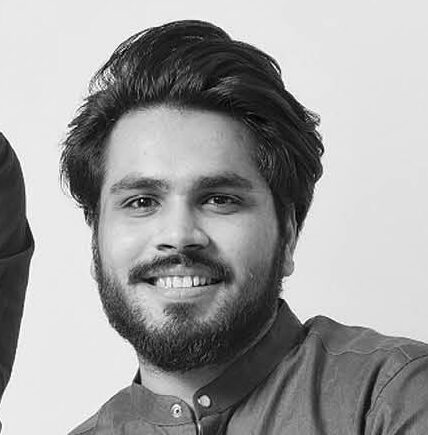
Founded in 2019 by childhood friends Nilesh Karnani and Ashish Baheti, Beyours emerged from a desire to offer timeless, minimalist clothing for men. Starting with a modest capital of ₹50,000, the brand focused on quality craftsmanship and honest pricing, aiming to declutter men’s wardrobes with versatile staples.
Challenges Faced
- Low Online Visibility: Despite a strong product line, Beyours struggled with low organic search rankings, limiting their reach to potential customers.
- Limited Brand Awareness: The brand needed to differentiate itself in a market dominated by fast fashion and to communicate its unique value proposition effectively to a broader audience.
- Underutilized Digital Channels: Beyours had not fully leveraged digital marketing channels such as email marketing, influencer collaborations, and retargeting ads.
Strategic Solutions Implemented
Beyours was ready to scale. But intention doesn’t equal growth without execution. What they needed wasn’t just more ads or more content. They needed intelligent marketing backed by automation, analytics, and audience psychology. So, we rolled out a precision-driven digital marketing strategy stitched together with six core pillars:
1. Advanced Search Engine Optimization (SEO) Overhaul
- Deep Keyword Mapping:
Instead of tossing generic phrases like “men’s fashion,” we drilled down into long-tail and intent-heavy keywords like “minimalist black t-shirt India,” “no-logo men’s wear,” “breathable joggers for summer,” and “clean cut shirts for men.”
Used tools like SEMrush, Ahrefs, and Google Trends to map keywords to every stage of the buyer journey.
- Content-Keyword Matching:
Each product got unique, SEO-optimized descriptions written in natural language avoiding duplicate content pitfalls. We added internal linking structures and LSI keywords for semantic search. Pages started ranking on Page 1 for niche queries in 3-4 weeks.
- Technical SEO Fixes:
Implemented schema markups for rich snippets, optimized image alt-texts for visibility in Google Image Search, reduced load times with lazy loading and compressed assets, and improved crawlability via XML sitemaps and robots.txt tuning.
2. Data-Driven Content Marketing Machine
- Content Hub Creation:
Launched a blog titled The Minimalist Edit structured around key themes like wardrobe essentials, ethical production, and timeless styling. Used the content cluster model to support the pillar page “Men’s Minimalist Fashion in India.” - User Intent-Driven Content:
Wrote articles like “How to Build a 5-Piece Wardrobe That Works for Every Occasion” and “Why Logos Are Ruining Your Outfits.” These weren’t fluff they were conversion-optimized and backed with CTAs linked to product collections. - Visual Storytelling:
Designed reels and carousels showcasing the “one-product, one-color” ideology in action. Shot content with real customers and micro-influencers to make the brand feel accessible, not just aspirational.
3. Hyper-Targeted Social Media Marketing
- Instagram Deep Strategy:
Turned their profile into a conversion funnel: pinned reels = product demos, story highlights = fit guides, grid = lookbook, and UGC. Used Linkin.bio tools to drive multi-product navigation from one profile link. - Platform-Specific Posting:
Twitter became the “founder voice” where behind-the-scenes product stories and startup journey threads lived. Facebook served retargeting and customer reviews, while Instagram focused on top-of-funnel discovery. - Micro-Influencer Pods:
Partnered with 50+ nano and micro-influencers in fashion, fitness, and design. Sent curated PR boxes, requested styling reels, and embedded UTM codes to track influencer-specific revenue. ROI? 6.7X per influencer.
4. Automated Email Marketing Flows
- Behavior-Based Campaigns:
Created dynamic flows for:- Abandoned carts: Gentle nudges → urgency-based reminders → final-day coupon
- New signups: Brand story → bestselling picks → how-to-style videos
- Repeat buyers: Loyalty perks → sneak peeks → limited edition alerts
- Abandoned carts: Gentle nudges → urgency-based reminders → final-day coupon
- List Segmentation & Personalization:
Segmented audiences by product interest, location, and purchase frequency. Emails addressed users by name, recommended products based on browsing history, and included personalized lookbooks. - Smart Send Times:
Used Boovify-integrated tools to analyze open rates and optimize delivery for highest engagement windows per timezone.
5. Paid Media Campaign Architecture
- Full-Funnel Paid Ad Strategy:
Created specific creatives and copy per funnel stage: - TOFU (Top): Short reels of the softest tee in action, “No logos. No nonsense.”
- MOFU (Middle): Testimonials, press features, and side-by-side comparisons
- BOFU (Bottom): “Only 12 pieces left” urgency, offer bundles, and timed discounts
- TOFU (Top): Short reels of the softest tee in action, “No logos. No nonsense.”
- Google Shopping Ads:
Optimized product feeds via Shopify-Google integration. Added GTINs, high-res photos, and value-based descriptions. Reduced cost-per-click by 23% within two weeks. - Retargeting With Precision:
Used Facebook Pixel + custom audiences to retarget users who:- Spent 30+ seconds on site but didn’t add to cart
- Visited the same product 3+ times
- Purchased once, but hadn’t returned in 60 days
- Spent 30+ seconds on site but didn’t add to cart
- A/B Creative Testing:
Ran over 40 split tests in 3 months testing copy variations like “Look sharp, feel nothing” vs. “You only need one shirt” driving CTR up by 17.8%.
6. Advanced Analytics and Optimization Loop
- Custom Dashboards:
Built Google Data Studio reports syncing Shopify, Google Analytics, Meta Ads, and email metrics. Allowed marketing and operations to get real-time performance data on one screen.
- KPI Tracking:
Watched revenue per user, time on product page, scroll depth, and ad attribution models. Killed underperforming campaigns quickly reinvested in top performers.
- Conversion Rate Optimization:
Tested CTA placements, trust badges, product video reviews, and product bundling suggestions. Result? Checkout drop-offs fell by 22%, AOV rose 11%.
This wasn’t just marketing. It was an engine.
And it didn’t just sell clothes it sold a lifestyle. A philosophy. A cleaner wardrobe, a calmer life. Wrapped in data, delivered by tech.
Results Achieved
- Revenue Growth: Increased annual revenue from ₹6 crore to ₹14-15 crore within a year, with a projection of ₹50 crore for the next fiscal year.
- Enhanced Online Visibility: Achieved higher search engine rankings for targeted keywords, leading to increased organic traffic.
- Improved Customer Engagement: Social media followers grew significantly, with higher engagement rates on posts and stories.
Higher Conversion Rates: Optimized website and email campaigns led to improved conversion rates and customer retention.
Client Testimonial
Tools and Technologies Used
E-commerce Platform: Shopify for website management and product listings.
SEO Tools: SEMrush and Google Search Console for keyword tracking and site performance analysis.
Email Marketing: Mailchimp for campaign creation and automation.
Social Media Management: Hootsuite for scheduling and monitoring social media posts.
Future Plans
Offline Expansion: Exploring physical retail opportunities to enhance customer reach.
Product Line Diversification: Introducing new categories, including undergarments, wallets, belts, and perfumes, while maintaining their minimalist ethos.
Women’s Segment Entry: Conducting research to launch a women’s collection, focusing on well-fitting and utility-based products.